Corporate Gaming Charity Partnership: How to Pitch It (2026)

A corporate gaming charity partnership turns a company's marketing budget, employee base, or gaming community into direct support for kids stuck in hospital beds — and pitching one takes a clear ask, not a big budget.
TL;DR
A corporate gaming charity partnership works best when the ask is one specific gaming cart or program, not a vague sponsorship.
Gamers Outreach turns corporate gifts into hospital-ready gaming carts, so partners can see exactly where funds land.
Pitch decks that name a hospital, a dollar figure, and a 2026 activation date close faster than open-ended proposals.
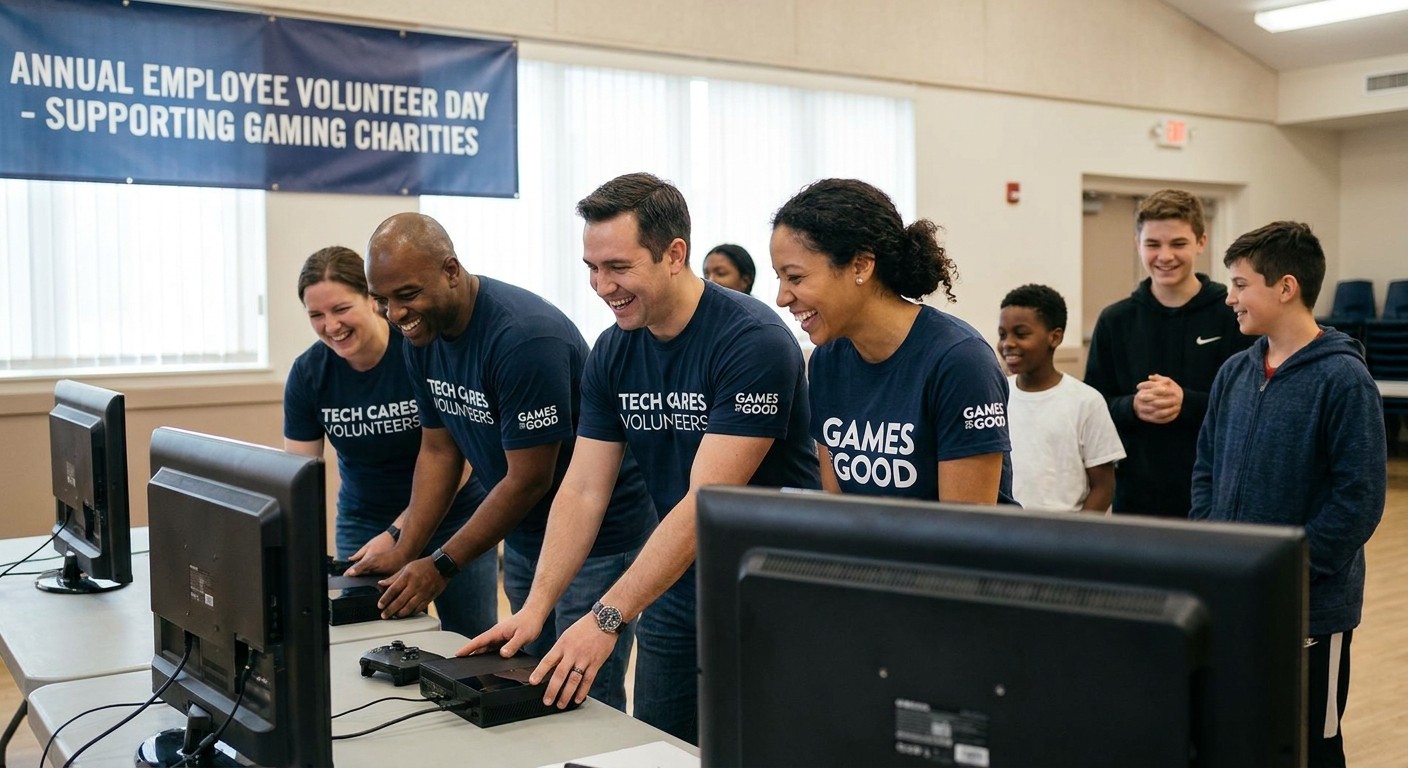
Employee gaming tournaments and Twitch activations give corporate partners a story to tell, not just a receipt.
Why this matters
Companies get pitched by nonprofits constantly, and most of those pitches die in an inbox because they ask for money without giving marketing, HR, or the CSR team anything to work with. A corporate gaming fundraiser built around a gaming cart, a streamed event, or an employee tournament gives a company content, employee morale, and a story — the donation is just the mechanism.
Gaming brands especially are sitting on communities that already love play. In 2026, that audience is one of the easiest to convert into hospital support if the ask is specific: fund one gaming cart, sponsor one ward, hit one dollar target by one date.
What you'll need
A one-page pitch deck (5-8 slides max) with a specific ask and dollar amount
A named internal champion inside the target company — marketing, CSR, or community team, not a general inbox
A clear description of what the funds buy (a gaming cart, console bundle, or software license for a children's hospital)
A timeline tied to a real date — a game launch, a company anniversary, or a charity stream in 2026
A follow-up plan for reporting impact back to the partner
Optional: a streamer, esports team, or employee resource group willing to activate the campaign
The steps
1. Pick one specific ask, not a general sponsorship
Companies say no to "support our mission." They say yes to "fund one gaming cart for $2,500" or "cover software licenses for one hospital ward." Naming the exact unit of impact turns an abstract cause into a purchase decision a marketing director can approve without three rounds of internal debate.
Common mistake: pitching a percentage-of-sales model with no floor. If the ask has no guaranteed dollar amount, most companies shelve it indefinitely.
2. Find the right internal champion
Cold emails to a general info@ address get ignored. Look for the person who already runs cause marketing, community engagement, or CSR — often listed on the company's own giving page or LinkedIn. A warm intro through a mutual streamer, employee, or industry contact moves a pitch from "maybe later" to a scheduled call inside two weeks.
Common mistake: pitching the CEO first. Founders rarely own the budget line for cause campaigns — the marketing or people team usually does.
3. Build a five-slide deck with the numbers up front
Slide one states the ask and the dollar figure. Slide two shows what the money buys. Slide three shows the activation format — a livestream, employee challenge, or in-store campaign. Slide four covers the timeline. Slide five covers reporting. Skip mission statements past the first sentence; companies already know what a children's hospital charity does.
4. Tie the funds to a visible outcome
Vague donations get forgotten. A pitch that says "$5,000 funds two gaming carts delivered to a children's hospital by Q3 2026" gives the partner a concrete result to reference in their own year-end report. Point them to how gaming charity donations reach hospitalized kids so the finance team sees the fund path before they ask.
5. Propose an activation, not just a check
The strongest corporate gaming charity partnerships pair a donation with something employees or customers can watch or join — a charity livestream, an internal gaming tournament, or a cause campaign tied to a product launch. Companies that have run this kind of cause campaign before will recognize the format immediately and move faster through legal review.
6. Set a hard date and hold it
Open-ended partnerships stall. Pick a date tied to something real — a game release, a fiscal quarter close, an industry event in 2026 — and build the ask around hitting that deadline. Deadlines create urgency on the corporate side the way they create urgency in a fundraising stream.
7. Send a short follow-up within 48 hours
After the first call, send a one-paragraph recap with the ask, the amount, and the next step. Long recap emails get skimmed and shelved; short ones get forwarded to finance.
Ready to pitch a partnership?
See how Gamers Outreach equips children's hospitals with gaming carts and software.
8. Report back with real numbers, not just a thank-you
After the campaign closes, send the partner a short recap: dollars raised, carts funded, hospitals reached. Companies renew partnerships when they can show their own leadership a concrete result — not a generic thank-you note.
Troubleshooting
"Our CSR budget is already allocated for 2026." Ask about next fiscal year planning cycles, which usually open 4-6 months before the new year starts.
"We need an ROI story for leadership." Attach employee engagement numbers from a past activation, or offer to co-brand the campaign so the company gets visible credit.
"Legal wants a formal agreement first." Come prepared with a short MOU template covering fund use, reporting cadence, and branding rights — this cuts weeks off the review.
"We're worried about brand safety near a hospital charity." Share the exact reporting process so they see funds go toward equipment and software, not open-ended cash grants.
"Our fiscal year doesn't match your campaign date." Offer a flexible activation window instead of a single fixed date — most partners can still hit a quarter-end target.
"We don't have a gaming community to activate." Suggest an employee tournament or a simple matched-giving campaign instead of a livestream — smaller lift, same impact.
Tools and resources
A one-page pitch deck template (dollar ask, use of funds, timeline, reporting)
A short MOU or partnership agreement template for legal review
Examples of how funds reach hospitalized kids to show finance teams the fund path
A streaming or event platform if the activation includes a livestream component
A follow-up email template for the 48-hour recap step
What to do next
Once the pitch lands, the next move is building the actual event or campaign structure the corporate partner will fund — start with how to plan a gaming charity event for a children's hospital so the activation date has a concrete plan behind it before the contract is signed.
FAQ
What's the best way to pitch a corporate gaming charity partnership?
The best pitch names one specific ask with a dollar figure, ties it to a visible outcome like funding a gaming cart, and sets a hard date in 2026 for the activation. Vague sponsorship requests without a number rarely get approved.
How much should a company donate to a children's hospital gaming charity?
There's no fixed minimum, but pitches built around a concrete unit of impact, such as funding one gaming cart, close faster than open-ended dollar ranges. Start with a specific figure the partner can approve without further negotiation.
Do gaming companies sponsor hospital charities?
Yes, gaming brands, streamers, and esports organizations regularly fund hospital gaming programs through cause campaigns, charity streams, and employee giving matches. These partnerships work best when paired with an activation employees or fans can join.
Can small businesses partner with a children's hospital gaming charity?
Small businesses can partner at a smaller scale, funding software licenses or a single console bundle rather than a full gaming cart. The pitch structure stays the same: one ask, one dollar figure, one date.
How long does a corporate charity partnership take to set up?
A straightforward pitch to a scheduled campaign typically takes 4-8 weeks, depending on legal review and fiscal year timing. Building in a hard activation date up front keeps the process from stalling.
What's the difference between a one-time donation and an ongoing partnership?
A one-time donation funds a single outcome, like one gaming cart, while an ongoing partnership commits to recurring support tied to quarterly or annual campaigns. Most companies start with a one-time gift before committing to a recurring structure.
Do corporate partners get tax benefits for gaming charity donations?
Donations to a registered nonprofit are generally tax-deductible for the donating company, though the exact treatment depends on the company's own tax situation. Confirm details with the company's finance or legal team before finalizing the agreement.
How does a nonprofit report impact back to a corporate partner?
A short recap after the campaign closes covering dollars raised, equipment funded, and hospitals reached gives the corporate partner a concrete result to show their own leadership. This reporting step is what turns a one-time gift into a renewed partnership.
One last thing
The partnerships that renew year over year aren't the ones with the biggest first check — they're the ones where the company got a story to tell employees and customers, not just a tax receipt. Build the pitch around that story from the first slide, and the follow-up conversation in 2027 gets a lot easier.